Workshop Recap: Building the Self-Operating Enterprise Through Data Standardization and Actionable AI
Workshop: Building the Self-Operating Enterprise with Data Standardization and Actionable AI
From AI Ambition to Real Enterprise Execution
AI adoption does not fail because enterprises lack tools. It often fails because strategy, data readiness, workflow design, and execution are not aligned.
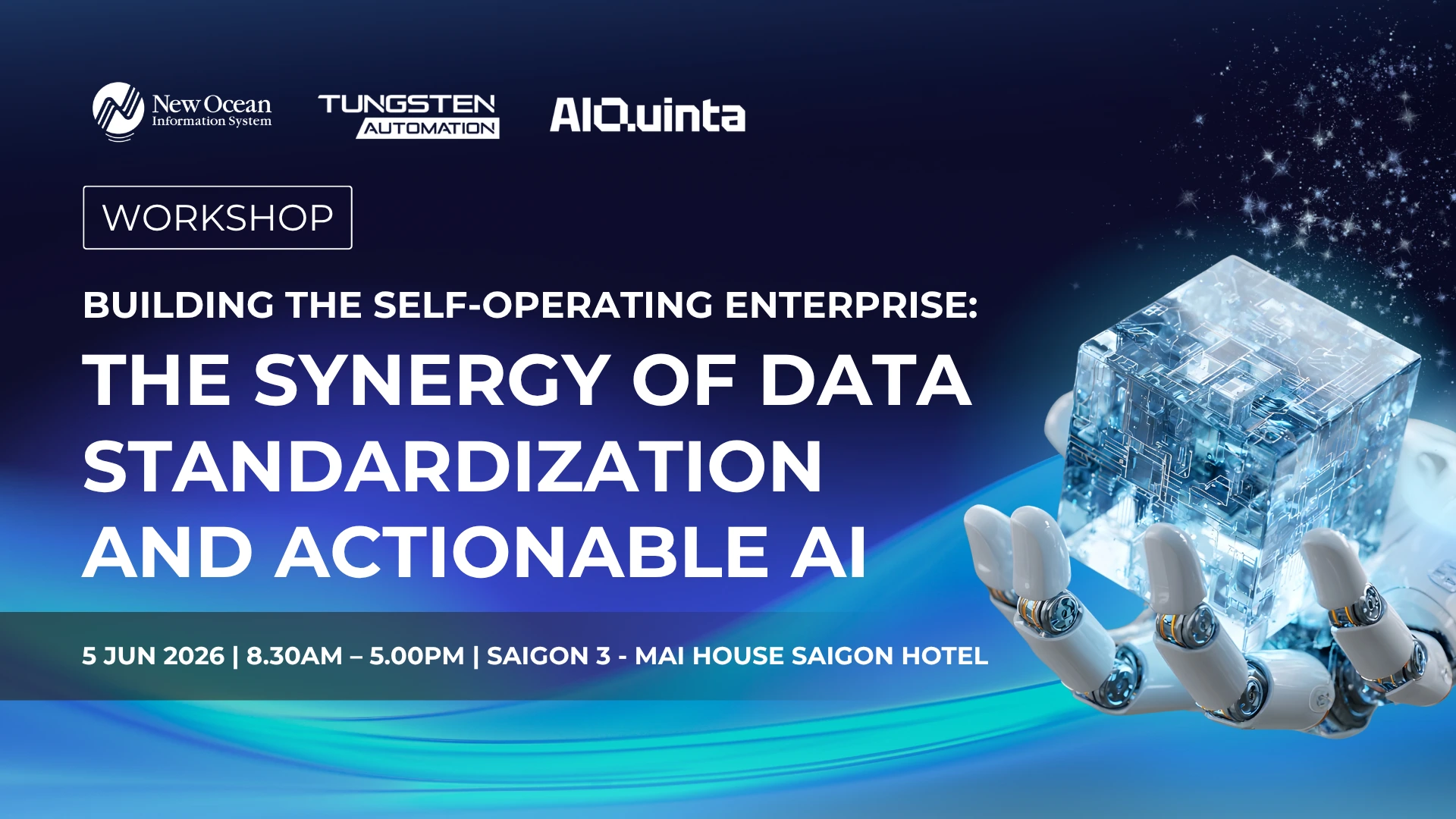
That was the central discussion at the workshop “Building the Self-Operating Enterprise: The Synergy of Data Standardization and Actionable AI,” hosted by New Ocean Information System together with Tungsten Automation và AIQuinta.
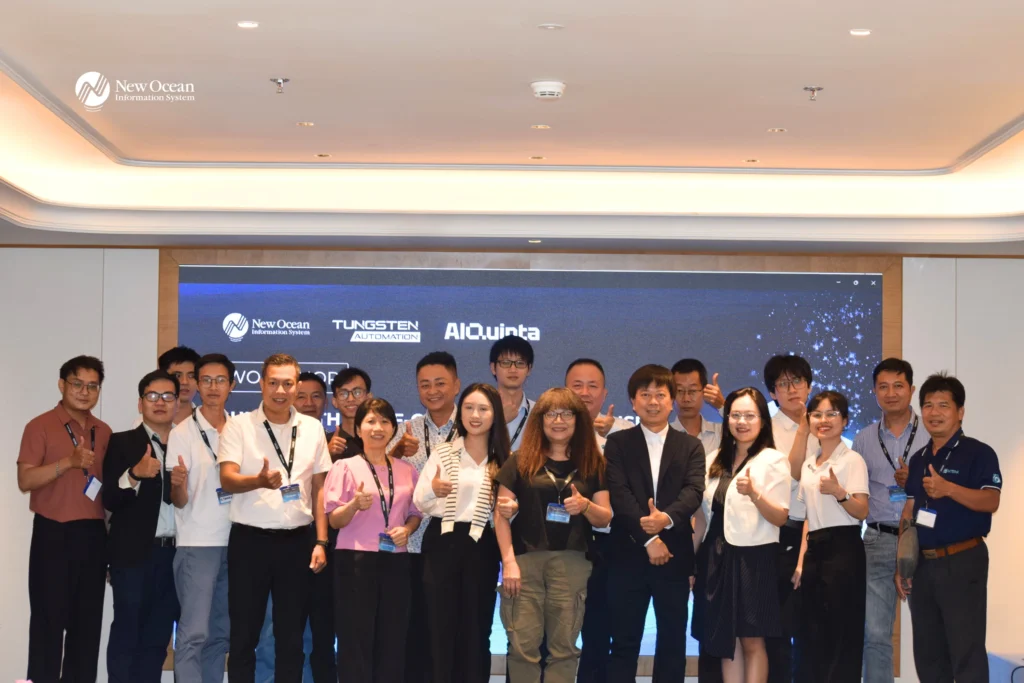
Held on 05 June 2026 at Mai House Saigon Hotel, Ho Chi Minh City, the workshop brought together enterprise leaders, technology experts, and transformation teams to explore one critical question:
How can enterprises move from fragmented automation to intelligent operations that can support real decisions, real workflows, and real business outcomes?
The answer is not simply to add more AI tools. The answer starts with a stronger operational foundation: standardized data, connected workflows, trusted enterprise knowledge, and AI systems that can turn information into action.
Why This Workshop Matters for Enterprises
Many organizations have already started their digital transformation journey. They use ERP systems, document management tools, workflow platforms, digital forms, reporting systems, and automation software.
Yet many teams still face the same execution gaps:
Documents remain scattered across systems
Business data is not standardized
Employees still spend time searching, checking, and copying information
Workflows depend on manual coordination
AI pilots struggle to scale into daily operations
This is why the idea of a self-operating enterprise is becoming more relevant.
A self-operating enterprise does not mean a business runs without people. It means the enterprise builds the right digital backbone so systems can capture information, understand context, support decisions, trigger workflows, and produce useful outputs with greater speed and consistency.
People remain in control. Technology reduces the manual load.
Morning Session: Building the Data Foundation with Tungsten Automation
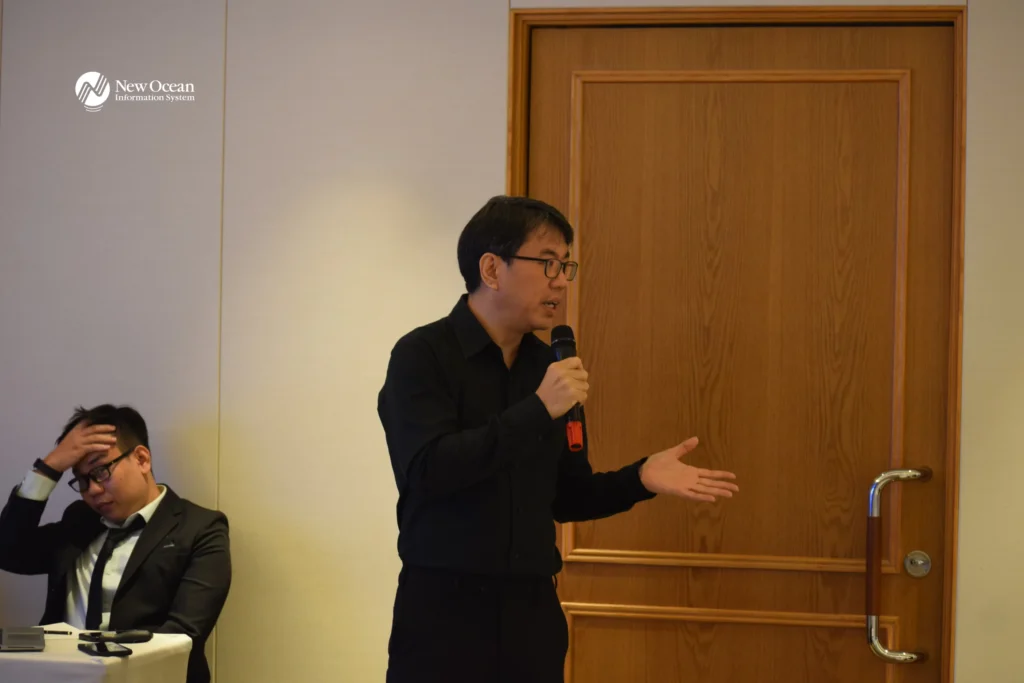
Mr. Chin Soon Hui, Senior Solutions Consultant at Tungsten Automation, speaker at the Building the Self-Operating Enterprise workshop.
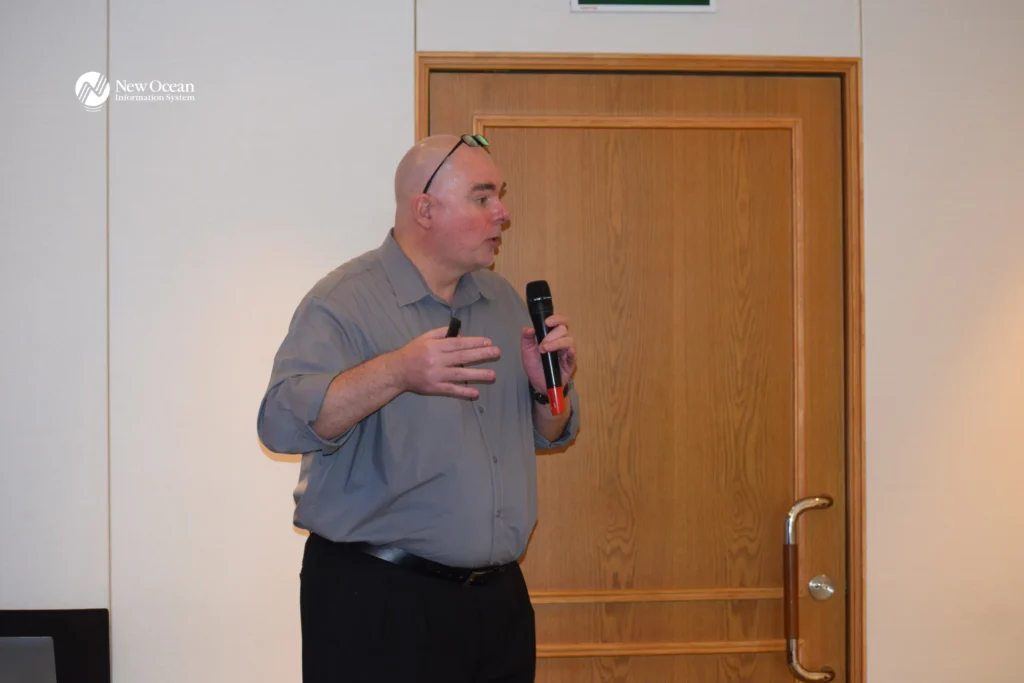
Mr. Rick Dekeling, Senior Solutions Consultant at Tungsten Automation, speaker at the Building the Self-Operating Enterprise workshop.
The morning session focused on intelligent document processing and automation with Tungsten Automation.
The session highlighted a practical reality for many enterprises: documents are still the starting point of many business processes. Purchase orders, invoices, contracts, delivery orders, certificates, compliance records, customer forms, and internal reports all carry critical business data.
When document workflows are manual or fragmented, the entire operation slows down. Data quality suffers. Process visibility becomes limited. AI adoption becomes harder because the foundation is not ready.
During the session, Tungsten Automation shared how intelligent document processing can support a complete workflow, including:
Document capture
Classification
Data extraction
Xử lý
Decision support
Output generation
A key highlight was the demo walkthrough and live Q&A, where attendees saw how document data can move through a structured workflow with reduced manual intervention.
For enterprises, this is a strategic starting point. Before AI can reason, recommend, or act, the business needs clean and trusted inputs. Intelligent document processing helps create that foundation.
Afternoon Session: From Data Readiness to Actionable AI
The afternoon session shifted the discussion from document automation to actionable AI with AIQuinta.
The message was clear: AI should not remain a standalone experiment or a chatbot outside the workflow. To create business value, AI must connect to enterprise knowledge, business rules, operational systems, and real use cases.
AIQuinta shared practical use case deep dives to show how AI Agents can support business workflows. The focus was not on generic AI interaction. The focus was on AI that can understand business context, follow reasoning flows, process enterprise knowledge, and support decision-making.
Key points from the session included:
AI needs business context before it can support action
Enterprise knowledge must be structured and accessible
AI Agents should be mapped to specific operational workflows
Value comes from practical output, not isolated AI experimentation
AI adoption must be linked to measurable business priorities
This reflects a broader shift in enterprise AI. The market is moving from “AI as a tool” to “AI as an operating layer.”
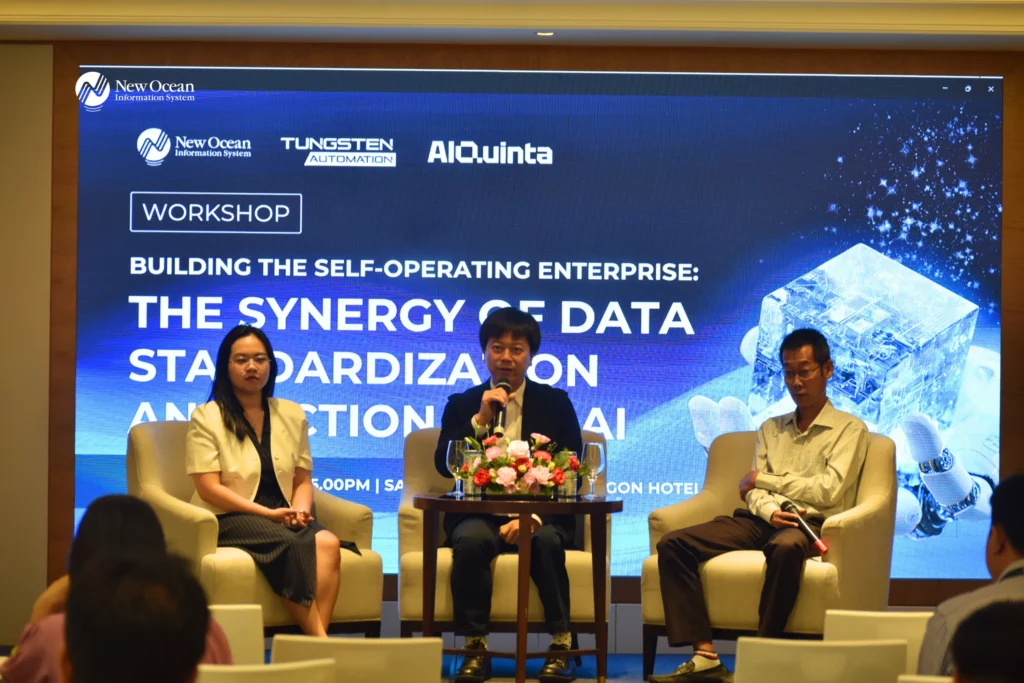
Panel Discussion: Real AI Adoption, What Works, What Fails, What’s Next
Panel Discussion Real AI Adoption, What Works, What Fails, What’s Next
One of the key highlights of the workshop was the panel discussion:
“Real AI Adoption: What Works, What Fails, What’s Next.”
The discussion focused on how enterprises can move from AI pilots to real adoption. Speakers explored practical questions that many business leaders are facing today:
What must a company prepare before scaling AI?
Which use cases create value fastest?
Why do many AI projects fail after the pilot stage?
How should enterprises measure AI ROI?
What risks should businesses control before deployment?
How can business and technology teams align around AI execution?
A major takeaway from the discussion was that AI adoption is not only a technology decision. It is an operating model decision.
Enterprises need to define the workflow problem first, assess data readiness, select the right use cases, align stakeholders, and build governance before expanding AI into daily operations.
Key Takeaways from the Workshop
1. Data standardization comes before scalable AI
AI needs reliable inputs. If enterprise data is fragmented, inconsistent, or difficult to access, AI systems cannot deliver stable value. Standardized data, documents, and workflows create the foundation for useful AI.
2. Document automation is a high-impact starting point
Documents remain central to many business operations. By improving document capture, classification, and processing, enterprises can reduce manual work and unlock cleaner data for downstream systems.
3. AI Agents need workflow context
AI Agents create value when they are connected to real business processes. They need access to enterprise knowledge, business rules, systems, and decision logic.
4. ROI depends on use case selection
Not every AI use case should be prioritized. Enterprises should start with workflows where AI can reduce manual effort, improve speed, increase accuracy, or support better decisions.
5. Human expertise remains essential
The self-operating enterprise is not about removing people. It is about giving teams better systems so they can focus on judgment, strategy, exception handling, and higher-value work.
Ready to Build Your Next Enterprise Transformation Roadmap?
New Ocean IS helps enterprises connect strategy, automation, data standardization, and AI adoption into practical transformation programs.
Whether your organization is looking to improve document-heavy workflows, standardize operational data, deploy AI Agents, or build a stronger digital backbone, our team is ready to support your next step.
Contact New Ocean IS to explore how your enterprise can move from fragmented automation to intelligent operations.
 VI
VI  EN
EN